Lots Prepared for Construction and Use
Land Clearing in Dandridge for residential lots requiring vegetation removal before building or property improvements
Overgrown vegetation, dense brush, and mature trees prevent construction access and obscure the property's natural grade, making it impossible to assess drainage patterns or plan building placement. Galloway Excavation clears residential lots across Dandridge, removing trees, brush, stumps, and overgrowth to prepare properties for new home construction, driveway installation, and outdoor projects. The process involves cutting vegetation at ground level, removing root systems that would interfere with excavation or grading, and hauling debris off-site to leave a clean, workable surface. Cleared lots reveal the underlying terrain and allow accurate site planning for structures, access routes, and drainage improvements.
Land clearing is not simply cutting down trees—it includes stump removal to prevent regrowth and eliminate obstacles that interfere with grading equipment, and it requires careful planning to preserve desirable trees or vegetation while removing growth that blocks construction areas. The extent of clearing depends on the property's intended use, with building sites requiring complete clearing to bare soil and perimeter areas often left partially vegetated for erosion control and visual screening.
Schedule a property evaluation to identify which vegetation needs removal and determine the clearing limits required for your construction or improvement project.
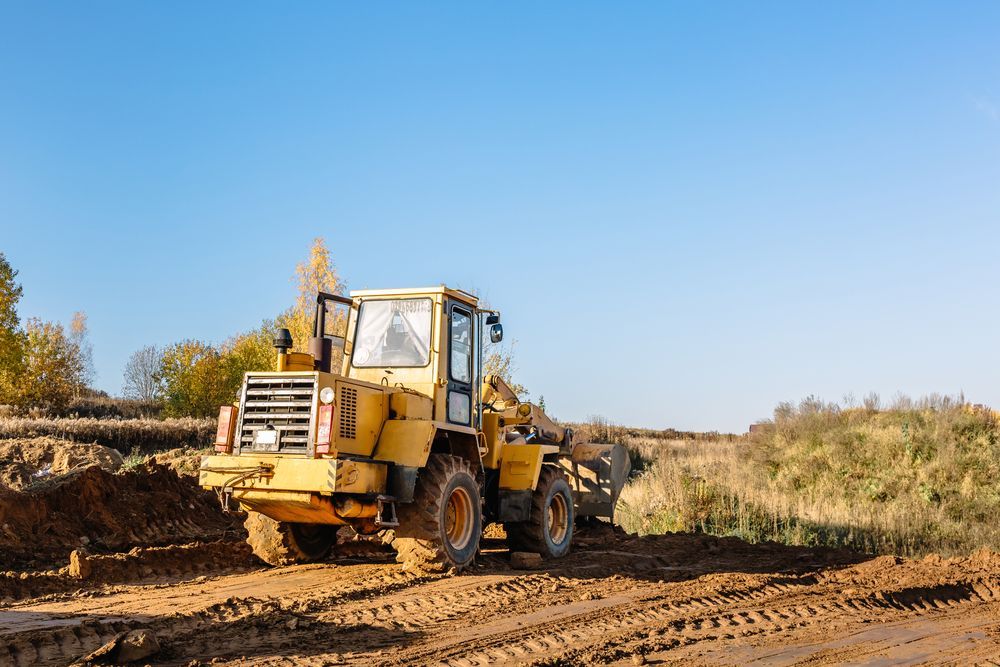
Clearing begins with cutting trees and brush to ground level, followed by stump grinding or excavation to remove root balls that extend below the surface. Debris is sorted—large logs may be hauled for disposal or stacked on-site if requested, while brush and smaller material are typically chipped or removed entirely. The cleared area is then graded lightly to remove surface irregularities and expose the natural soil, allowing for accurate assessment of drainage patterns and subsurface conditions before excavation or construction begins.
Once clearing is finished, the property's grade becomes visible, showing high and low points that affect water flow and site planning. The cleared area is free of stumps and root systems that would obstruct excavation equipment or interfere with footer placement, and access routes are open for material delivery and construction vehicles. The surrounding vegetation line is defined and stable, with root systems intact to prevent soil erosion along the cleared boundary.
Clearing work is customized based on the lot size, vegetation density, and construction plans—some properties need only selective clearing to preserve mature trees and natural features, while others require complete clearing to bare soil for home sites and access roads. Galloway Excavation provides owner-operated service with nearly 30 years of experience assessing properties and planning clearing work that balances site preparation needs with erosion control and aesthetic considerations.
Questions Before Starting Your Project
Homeowners preparing for land clearing often need to understand what the process involves and how it affects their property's readiness for construction.
What is the difference between clearing and grading?
Clearing removes vegetation, stumps, and debris to expose the underlying terrain, while grading reshapes the soil surface to create level building pads, sloped drainage paths, or smooth access routes—clearing is typically the first step before grading begins.
How are stumps removed during the clearing process?
Stumps can be ground down below the surface using a stump grinder, which leaves wood chips and root fragments in place, or excavated entirely to remove the root ball, which is necessary when the area will be excavated for a foundation or utility trench.
What happens to the debris after clearing?
Trees, brush, and stumps are hauled off-site for disposal unless you request that logs be stacked for firewood or other uses—most clearing projects include complete debris removal to leave a clean, workable lot ready for the next phase of construction.
How does vegetation density affect the timeline?
Heavily wooded lots with large trees and dense undergrowth require more time for cutting, stump removal, and debris hauling than lightly vegetated properties, and wet ground conditions in East Tennessee can slow equipment movement and extend the clearing schedule.
When should I schedule land clearing relative to other site work?
Clearing should be completed before house seat excavation, driveway construction, or utility trenching begins, as these tasks require clear access and accurate visibility of the property's natural grade and drainage patterns.
Galloway Excavation offers honest communication and transparent pricing for land clearing projects, with free estimates that remain valid for three months. Call to arrange a site visit and discuss the clearing scope needed to prepare your property for construction.